people
The team behind the Translational Motor Neurophysiology Lab, and the people we work with.
Principal Investigator
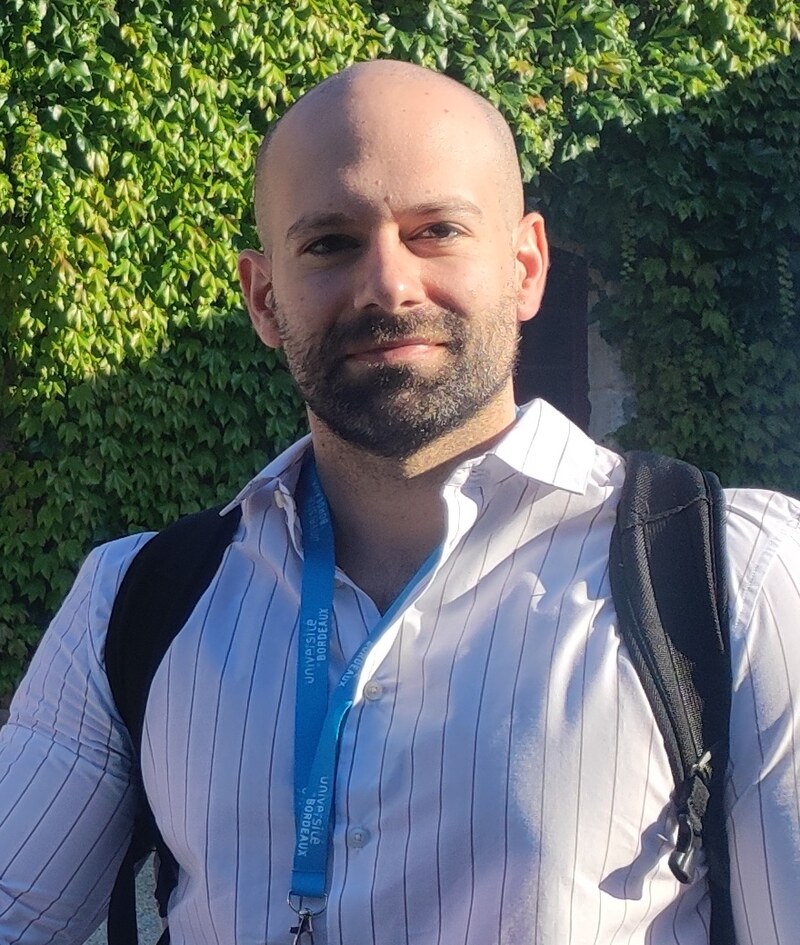
Dr Filipe Nascimento
Filipe graduated in Biochemistry at the University of Porto and completed an MSc in Neuroscience at the University of Lisbon, where he studied neuromuscular transmission dysfunction in amyotrophic lateral sclerosis (ALS). He then did a PhD in Neurobiology at the University of St Andrews in Prof Gareth Miles' lab, focusing on cholinergic modulation of spinal circuits controlling locomotion.
He moved to UCL to work with Prof Marco Beato on spinal recurrent microcircuits in motor diseases, and was then awarded a Sir Henry Wellcome Postdoctoral Fellowship, hosted by Prof Rob Brownstone at the UCL Queen Square Institute of Neurology, to investigate the role of spinal microcircuits in aberrant excitability in ALS.
He is now a Wellcome Trust Career Development Award Fellow at UCL, leading an independent research programme that integrates animal and human neurophysiology to study spinal circuit dysfunction and neuronal resilience in neuromuscular diseases, particularly ALS.
Email · Google Scholar · ORCID · GitHub
Lab members
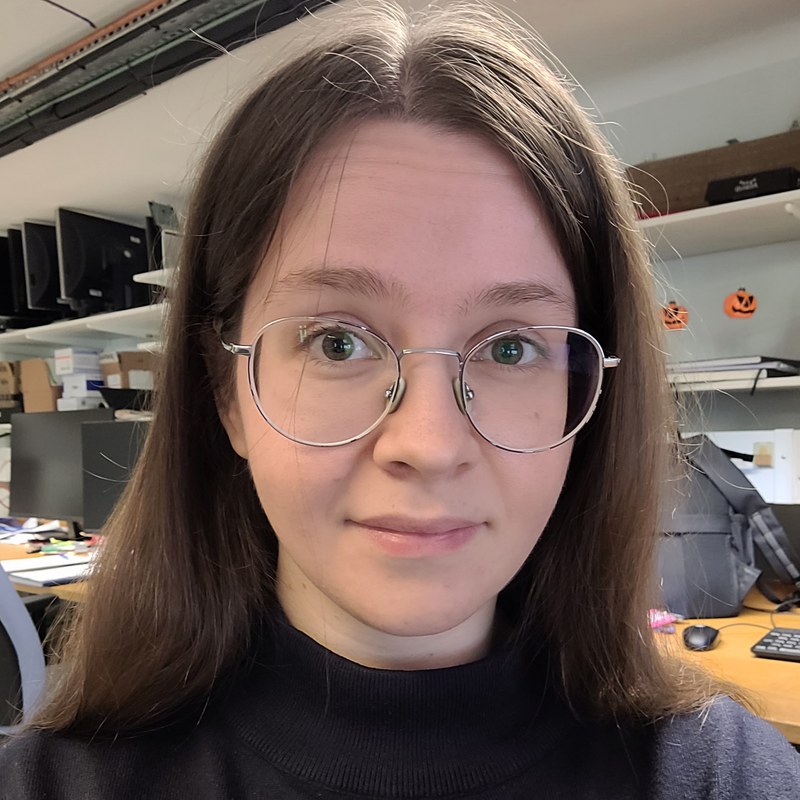
Kath Mazur
Research Fellow
Kath graduated in Medical Sciences and completed her doctoral (PhD in Neuroscience) and postdoctoral training in Dr Carole Torsney’s research group at The University of Edinburgh as part of the Simons Initiative for the Developing Brain. Her work investigated spinal cord processing of tactile and nociceptive information in transgenic rat models of neurodevelopmental disorders. In her research into somatosensory circuits, she used in vitro/ex vivo electrophysiology, including whole-cell patch clamp and extracellular recordings in spinal cord and dorsal root preparations, as well as rodent behavioural and anatomical approaches.
She joined the lab in October 2026 to combine in vitro, ex vivo, and in vivo techniques to investigate spinal microcircuits, motoneurons, and motor units in ALS.

Ragul Selvamoorthy
Research Fellow
Ragul trained in sport science (BSc, Liverpool Hope University) and strength and conditioning (MSc, Liverpool John Moores University), and worked as a coach and sport scientist before a PhD in neuromuscular physiology at the University of Stirling, funded by the sportscotland institute of sport. There he studied how flywheel resistance training affects jump performance, using techniques including transcranial magnetic stimulation (TMS) and peripheral nerve stimulation.
As a research fellow with Dr Eduardo Martinez-Valdes at the University of Birmingham, funded by Orthopaedic Research UK, he ran a randomised controlled trial of a feedback-based resistance training programme for patellar tendinopathy, using high-density surface EMG, ultrasound and shear wave elastography to relate changes in muscle and tendon to motor unit firing. He joined the lab in October 2026 to investigate how spinal circuits and motor neuron firing change over the course of MND/ALS, using non-invasive human electrophysiology such as high-density surface EMG, nerve stimulation, TMS and EEG.
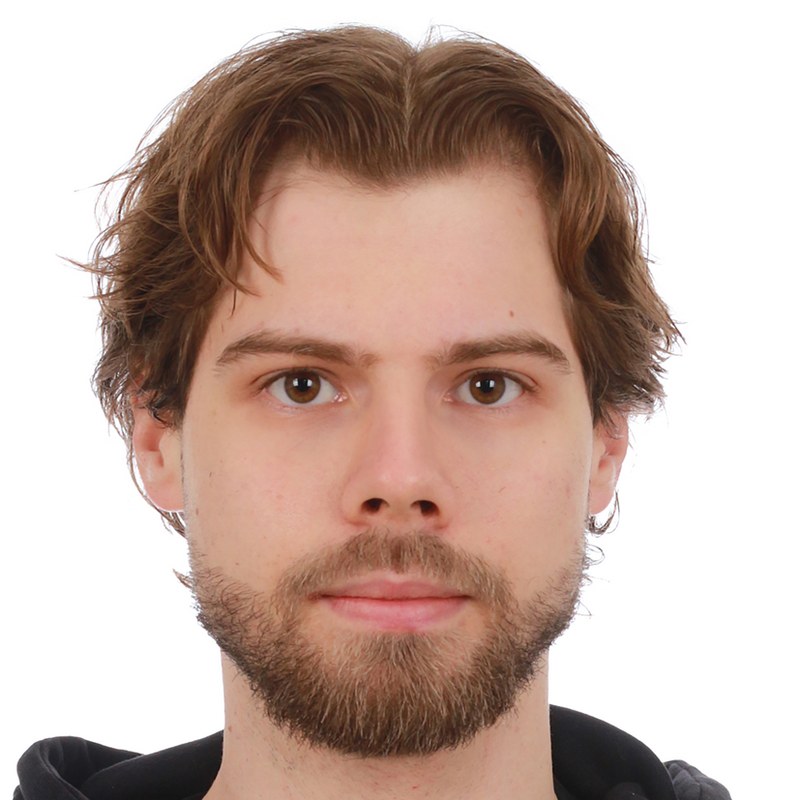
Bartosz Wasicki
Research Fellow
Bartosz graduated in Biology and Human Health and completed an MSc in Neurobiology at Adam Mickiewicz University in Poznań, Poland, where his thesis compared the rate of force development in rat and cat motor units. He then started a PhD in Prof Marcin Bączyk's lab at the Poznań University of Physical Education, gaining extensive experience in in vivo intracellular recordings from spinal motoneurons in mice. His research focused on how trans-spinal direct current stimulation affects the electrophysiological properties of motoneurons in the SOD1 G93A mouse model of ALS.
He joined the lab in 2026 to combine in vivo, in vitro and ex vivo techniques to investigate spinal microcircuits, motoneurons and motor units in ALS.
Collaborators
We work closely with colleagues across UCL and beyond.
- Rob BrownstoneUCL Queen Square Institute of Neurology
- Marco BeatoNeuroscience, Physiology and Pharmacology, UCL
- M. Görkem ÖzyurtNeuroscience, Physiology and Pharmacology, UCL
- Alejandro Pascual-ValduncielBSICoS Group, University of Zaragoza
- Dario FarinaDepartment of Bioengineering, Imperial College London
- Jo NgUCL Queen Square Institute of Neurology
- Francesco MuntoniDubowitz Neuromuscular Centre, UCL Great Ormond Street Institute of Child Health
- James SleighUCL Queen Square Institute of Neurology
- Pietro FrattaUCL Queen Square Institute of Neurology
- Andrea MalaspinaQueen Square Motor Neuron Disease Centre, UCL Queen Square Institute of Neurology
- Nicol BirsaUCL Queen Square Institute of Neurology
- Ilary AllodiSchool of Psychology and Neuroscience, University of St Andrews
- Simon SharplesDepartment of Kinesiology, Penn State University
- Jens Bo NielsenDepartment of Neuroscience, University of Copenhagen
- Guillaume CaronSaints-Pères Paris Institute for the Neurosciences, Université Paris Cité
Join us
We are always happy to hear from motivated students and researchers interested in spinal circuits, motor units and translational neurophysiology. Please get in touch by email with a short description of your interests and your CV.